For overseas buyers, a factory audit is not just a courtesy visit. It is a structured risk check. Whether you are qualifying a new supplier, verifying production capacity, or checking whether an existing partner can handle a larger order, a good factory audit should give you evidence—not just impressions.
China remains one of the world’s most important manufacturing markets, but supplier quality varies widely. A factory may look impressive in photos and still have gaps in documentation, process control, capacity, or export readiness. The key is to check the right things, ask for evidence, and record what you see.
Below are 10 things to check in a factory audit, especially when you are sourcing from China or visiting a supplier for the first time.
1. Legal identity and factory profile
Start with the basics. Confirm the factory’s legal name, business license, registered address, actual operating address, ownership structure, and main products. Check whether the company you are auditing is the same entity that will sign the contract and issue documents.
Ask for:
- Business license and company registration details
- Factory address vs. registered address
- Main product categories and years in operation
- Key contacts and decision-makers
- Any related trading companies or affiliated factories
Why it matters: A mismatch between the supplier you think you are working with and the entity that actually produces or exports goods can create quality, payment, and compliance risks.
2. Production capacity and product fit
A factory may be capable in general, but not for your specific product. Review its production lines, main equipment, monthly capacity, current order load, and experience with products similar to yours.
Ask:
- What is your monthly output for this product category?
- What is your current capacity utilization?
- Which processes are done in-house, and which are outsourced?
- Can you share examples of similar products or export markets?
Why it matters: Capacity gaps often appear after the order is placed. A factory that is already running at full capacity may struggle to meet your delivery schedule.
3. Quality management system and certifications
Check whether the factory has a quality management system and whether certifications are relevant, current, and issued to the correct entity. Do not rely on logos alone; ask for copies and verify scope and validity.
Look for:
- Quality manual and inspection procedures
- ISO or industry-specific certificates, if relevant
- Certificate holder name and scope
- Calibration and document control records
- Complaint handling and corrective action process
Why it matters: Certificates can support confidence, but they do not replace on-site evidence. The audit should show whether procedures are actually followed.
4. Incoming material and supplier control
Quality problems often begin before production. Ask how the factory controls raw materials, components, and sub-suppliers. Check whether incoming materials are inspected, traced, and stored properly.
Check:
- Incoming inspection records
- Approved supplier list
- Material traceability
- Storage conditions
- Handling of non-conforming materials
Why it matters: If the factory cannot control what comes in, it will struggle to control what goes out.
5. Production process and workmanship
Walk the production floor and follow the process from raw material to finished product. Look for clear work instructions, consistent workmanship, proper tooling, and control of critical process parameters.
Observe:
- Work instructions at stations
- Process flow and bottleneck areas
- Handling of rework and rejected items
- Cleanliness and organization
- Whether workers follow documented procedures
Why it matters: A factory audit should verify how work is actually done, not only how it is described in a presentation.
6. Equipment, maintenance, and calibration
Check whether key equipment is maintained and whether measuring tools are calibrated. Poor maintenance can lead to inconsistent quality and unplanned downtime.
Ask for:
- Equipment list and maintenance schedule
- Maintenance logs
- Calibration records for measuring instruments
- Spare parts management
- Downtime and breakdown history
Why it matters: Equipment reliability directly affects delivery and quality consistency.
7. Inspection and testing capability
Review the factory’s inspection process and testing capability. Check whether it can perform the tests required for your product, or whether it relies on external labs.
Check:
- In-process and final inspection procedures
- Inspection records and sampling plans
- Internal testing equipment
- External lab reports, if applicable
- How failures are recorded and followed up
Why it matters: Inspection is not just a final gate. It should be part of the production process, with records that can be reviewed and traced.
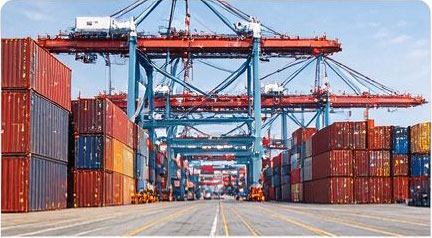
8. Warehouse, packing, and export readiness
If you are buying for export, check how finished goods are stored, packed, labeled, and prepared for shipment. This is also a good point to review export documentation and logistics coordination.
Check:
- Finished goods storage and inventory control
- Packing method and labeling
- Carton strength and shipping marks
- Loading area and shipment preparation
- Export documents and logistics coordination process
Why it matters: Good production can still be undermined by poor packing, labeling, or shipment preparation. For overseas buyers, export readiness is part of supplier reliability.
9. Compliance, labor, environment, and social responsibility
A factory audit should include basic compliance checks. Requirements vary by product and market, but you should understand whether the factory has obvious labor, environmental, or safety risks.
Look for:
- Worker age and employment records, as permitted by local law
- Safety equipment and emergency exits
- Chemical storage and waste handling
- Working hours and wage records, where relevant
- Environmental permits or required licenses
Why it matters: Compliance issues can interrupt production, damage your brand, and create legal or reputational risk in your market.
10. Corrective actions, communication, and follow-up
A factory audit is only useful if it leads to action. Before leaving, agree on findings, priorities, responsibilities, and deadlines. Record open issues with photos and evidence.
Confirm:
- Who is responsible for each corrective action
- What evidence will be provided
- When the follow-up audit or document review will happen
- How day-to-day communication will be handled
- Escalation contacts for quality and delivery issues
Why it matters: Many supplier problems are not caused by a lack of capability, but by weak follow-up. A clear corrective action plan turns an audit into a management tool.
Final thought
A good factory audit answers three questions: Can this supplier make my product? Can they do it consistently? Can they deliver and document it for export?
If you need local support in China, SIGNI can help overseas clients with independent factory audits, supplier visits, product sourcing, export documentation coordination, and China-based staff support. Whether you are verifying a new supplier or managing an existing one, having reliable local eyes on the ground can reduce risk and save time.
Use this checklist before your next factory audit or supplier visit in China—and document what you find.